Faith-Rooted Budgeting is Moral Budgeting
Governmental budgeting can be a complex process, making it even more challenging to incorporate our faith values into the conversation.
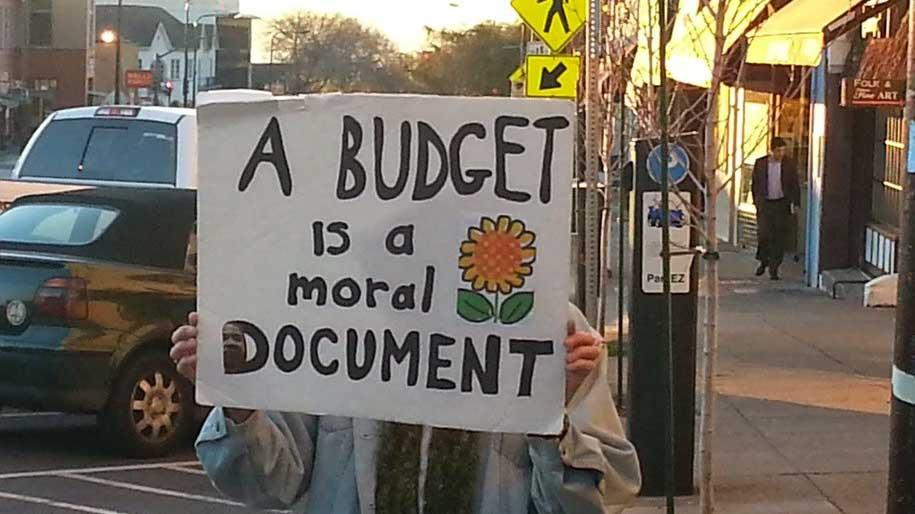
“Moral government budgeting” can help us do that. It emphasizes prioritizing the needs of the vulnerable in budget decisions. This perspective asserts that government budgets are not merely economic documents but also moral ones that reflect societal values.
Key Principles that faith values bring to moral budgeting:
- Protecting the Vulnerable: A moral budget prioritizes the needs of the poor, the homeless, the sick, and others facing economic hardship.
- Promoting Human Dignity: Budget decisions should be evaluated based on whether they uphold or undermine human life and dignity.
- Shared Responsibility: Government and other institutions have a shared obligation to advance the common good, particularly for working families struggling in difficult economic times.
- Fairness and Equity: A moral budget advocates for shared sacrifice during economic downturns, including addressing long-term program costs fairly and raising adequate revenues through progressive taxation.
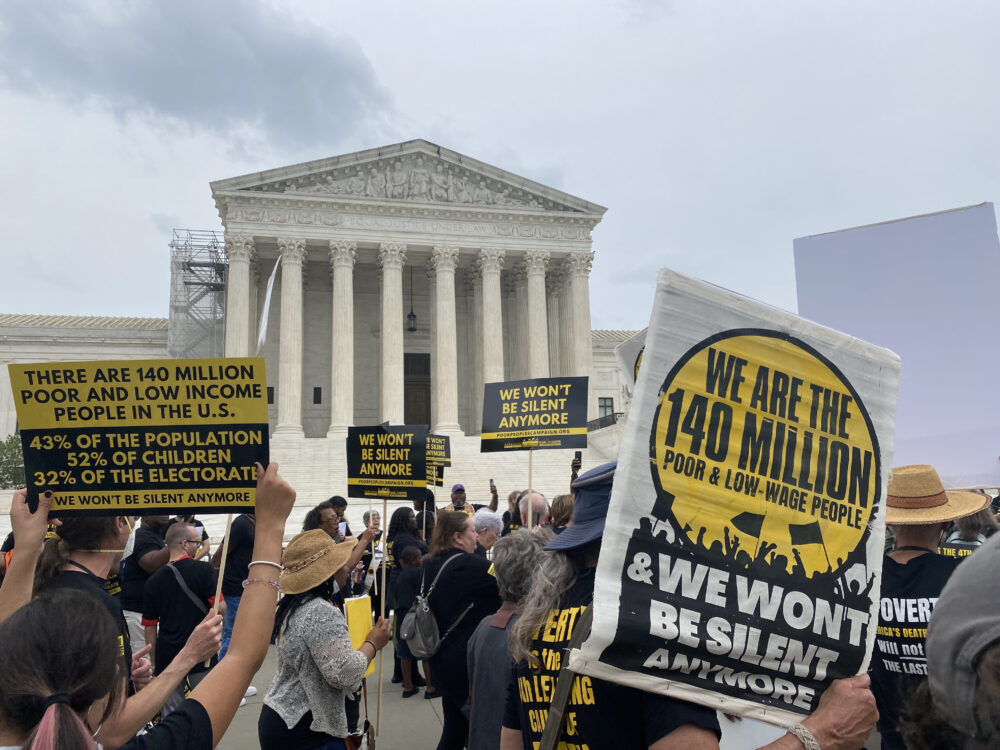
- Challenging Systemic Issues: The “Moral Budget” proposed by the Poor People’s Campaign argues that poverty is caused by structural issues and immoral policies rather than individual failings.
- Procedural Justice: For a budget process to be perceived as fair, it must be objective, transparent, and provide opportunities for public input.
Examples of Moral Budgeting:
- Supporting Social Programs: Allocating funds to programs like Meals on Wheels, SNAP (Supplemental Nutrition Assistance Program), WIC (Women, Infants, and Children), and Medicaid ensures the hungry and sick are cared for.
- Investing in Communities: Moral budgeting advocates for policies that strengthen communities and share prosperity more broadly.
- Reallocating Resources: Proposals like reducing military spending, cutting tax loopholes, and ensuring that government revenues are raised equitably can produce more resources for social programs.
Contrasting Views:
- Budget Cuts: Proposed budget cuts to programs like Medicaid are seen by proponents of moral budgeting as risking the health coverage of vulnerable populations, including older adults and people with disabilities.
- Military Spending: Cutting funding for essential social programs to increase military spending is viewed as a moral choice with significant consequences.
Ultimately, the idea of moral government budgeting asserts that budgetary decisions should prioritize human well-being and justice, especially for society’s most vulnerable members.
For further reading:
Here are some additional resources that may provide good resources for faith leaders
Poor People’s Moral Budget – Poor People’s Campaign
Jun 15, 2020 — The Moral Budget challenges the idea that poverty is caused by the poor. Instead, it finds that poverty is caused by structures and immoral policies.

The Basics of Equity in Budgeting – National Civic League
In a time of budget cuts, it is almost inevitable that services will suffer. By taking equity into account, a local government can reduce the pain experienced by disadvantaged parts of the community. And reduce the pain experienced by the community as a whole.
The Federal Budget and Poverty – PovertyUSA.org
We Can’t Balance the Budget on the Backs of People Living in Poverty
The nation needs to reduce future deficits substantially, but not at the expense of hungry and poor people. Programs meant to support people living in poverty can be made more effective. But not by cutting benefits that harm struggling families.
10 Takeaways From New Report, The High Moral Stakes
Mar 5, 2025 — “Budgets are moral documents,” said Bishop William J. Barber. We stand against this—and we stand for moral economic policies that lift up the most vulnerable.
Revisited: Making budgets moral again – The Immanent Frame
Truth That Bears Repeating: A Budget Is a Moral Document | Sojourners