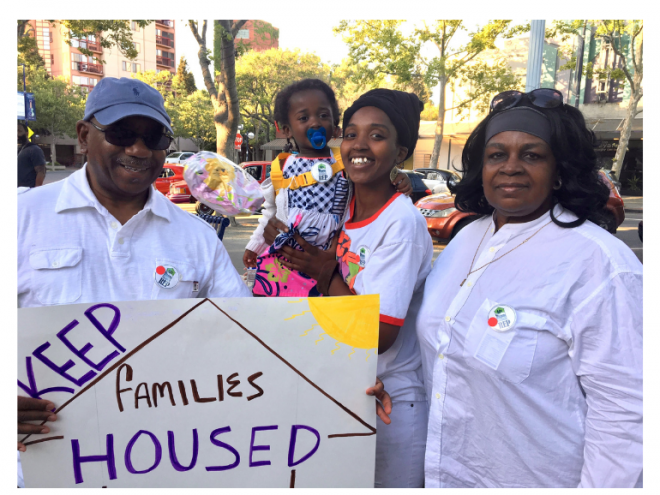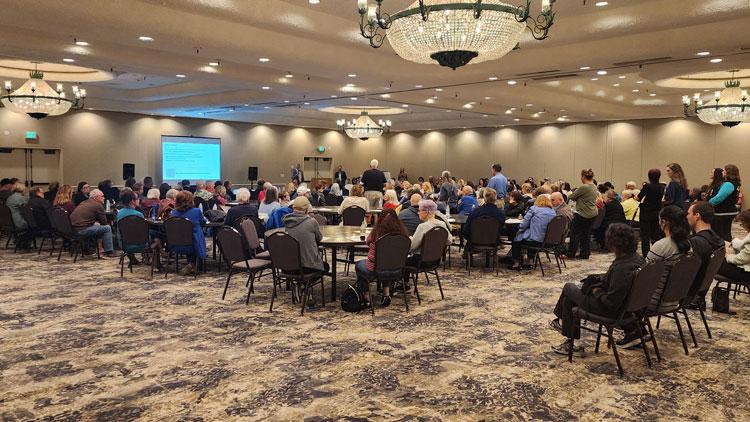
Note: the picture above is from an AFFH Community Engagement event in Concord in the fall.
Affirmatively Furthering Fair Housing (AFFH) is a California state-mandated program that requires all cities and counties to take proactive steps to undo past patterns of segregation and discrimination in housing. State law requires AFFH programs to be included in the current Housing Element update process.
Thus, work is underway at all local government levels to implement the programs included in those updates. This work ensures that everyone, regardless of race, religion, disability, or other protected characteristics, has equal access to housing opportunities. It is poverty reduction work.
At the Multi-Faith ACTION Coalition, our faith-rooted advocacy to reduce poverty naturally aligns with the aims of AFFH. Housing insecurity disproportionately affects low-income households and communities of color. This is particularly relevant in California, where unaffordable housing is a major driver of the state’s high poverty rate.
AFFH programs that increase access to affordable housing in higher-resource areas with quality schools, safe environments, and job opportunities would support efforts to break the cycle of poverty.
By creating more inclusive and equitable housing options, AFFH can help alleviate the effects of poverty and promote upward mobility. The goals of AFFH align with the social justice mission of many faith-based organizations.
Public discussions will occur at all levels as councils and boards make specific AFFH program decisions. These will all be opportunities to advocate for decisions prioritizing the needs of those struggling the most in our current housing crisis. So, we’re providing specific information on fair housing work in Contra Costa to help guide advocacy efforts.
Specific Actions In Contra Costa
AFFH is a crucial step towards creating more just and equitable housing systems despite the challenges facing the programs. By taking meaningful actions to address historical and systemic inequities, cities can foster inclusive communities where everyone has the opportunity to thrive.
It’s challenging to provide a detailed summary of all the actions taken by each city in Contra Costa County in their 2023 housing elements related to Affirmatively Furthering Fair Housing (AFFH). Housing elements are lengthy documents, and AFFH can be incorporated in many ways.
However, we can provide an overview of common trends and point you to resources for deeper dives into specific cities:
General Trends in Contra Costa County Fair Housing Work:
- Analysis of Housing Barriers: Most cities conducted analyses to identify barriers to fair housing, including patterns of segregation, disparities in access to opportunity, and discriminatory housing practices. This often involved mapping areas of concentrated poverty and affluence, analyzing demographic data, and reviewing community input.
- Policies to Promote Inclusivity: Many housing elements included policies aimed at promoting inclusive communities, such as:
- Increasing housing supply and affordability in high-resource areas: Examples are zoning changes to allow for multi-family housing in traditionally single-family neighborhoods, density bonuses, and incentives for affordable housing development.
- Addressing displacement and gentrification: Policies might include tenant protections, anti-displacement measures, and community land trusts.
- Improving access to housing for protected classes: Some cities are implementing programs to help people with disabilities, families with children, and people with criminal records find housing.
- Streamlining approval processes for affordable housing: Programs include reducing fees, expediting permitting, and creating pre-approved building plans.
- Community Engagement: Cities must involve the community in developing their housing elements, including reaching out to historically marginalized groups.
Where to Find City-Specific AFFH Information:
- City Websites: Most cities have housing element plans and updates on their official websites, often within the planning or community development departments.
- Alamovision2040 Webpage
- Antioch Housing Element Webpage
- Brentwood Housing Element Update Webpage
- Concord AFFH Webpage
- Danville Housing Element Webpage
- El Cerrito Housing Element Update Webpage
- Lafayette Housing Element Update Webpage
- Martinez Housing Element Webpage
- Orinda Housing Element Webpage
- Pittsburg Housing Element Update Webpage
- Pleasant Hill Housing Element Webpage
- Richmond Housing Element Webpage
- San Ramon Housing Element Webpage
- Walnut Creek Housing Element Webpage
- Contra Costa County Website: The County website may have links to individual city housing elements or summaries of AFFH strategies.
- California Department of Housing and Community Development (HCD): HCD reviews and certifies housing elements. Their website may have resources and information on specific cities.
Examples of AFFH Actions:
While the specifics vary, here are some examples of the types of AFFH actions that some cities in Contra Costa County are taking:
- Concord: Concord is actively pursuing rezoning efforts to increase housing density in high-resource neighborhoods as part of its AFFH strategy.
- El Cerrito: El Cerrito’s housing element includes programs to expand housing choices and affordability in higher-resource neighborhoods.
- Richmond: Richmond has focused on addressing historical segregation patterns and promoting equitable development.
Important Note: It’s crucial to remember that AFFH work is an ongoing process. Cities must identify barriers, adopt policies, monitor their progress, and adjust as needed.
By reviewing the housing elements of individual cities and following up on their implementation, residents can hold their cities accountable for creating more just and inclusive communities. This can include speaking in favor of specific AFFH decisions at community meetings, planning commission meetings, city staff presentations, and city council sessions.