New ideas are needed to solve the housing affordability crisis. One solution is empowering faith communities to produce housing on faith-owned land.
A faith-based strategy
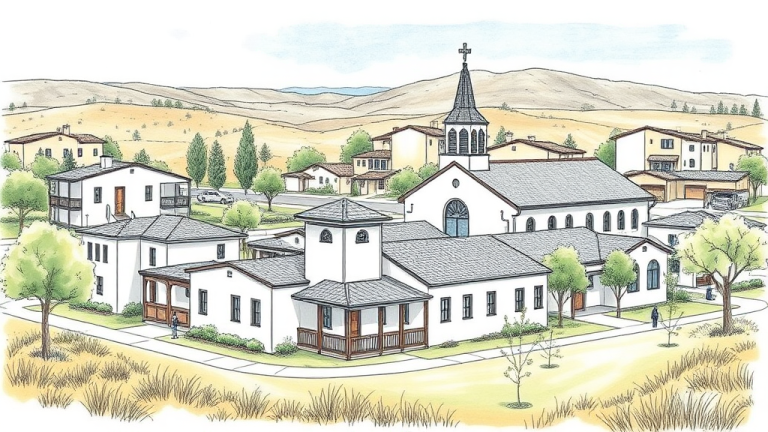
The white paper “Harnessing Faith-Owned Land for Innovative Housing Solutions” explores this innovative strategy to address the housing crisis, particularly homelessness, using faith-owned land. Published by the Partnership for the Bay’s Future, it emphasizes a collaborative approach involving faith institutions, community organizations, and local governments to create affordable housing solutions. You can download the full report here.
Meredith Rupp and Jasmine Tarkoff co-wrote the report. Meredith is an expert in policy analysis, land use planning, and affordable housing. Jasmine is an independent consultant for Strategic Initiatives to Hope Solutions. Jasmine has served as the co-convener of the Multi-Faith Action Coalition (MFAC), a coalition of faith institutions in Contra Costa County that addresses the root causes of poverty through advocacy and public policy change.
Main Points in the Report
- The magnitude of the Problem: The paper highlights the severity of the housing crisis, citing the lack of affordable housing, rising living costs, and economic disparities as root causes of homelessness. It underscores the need for innovative and rapid solutions to address this humanitarian crisis.
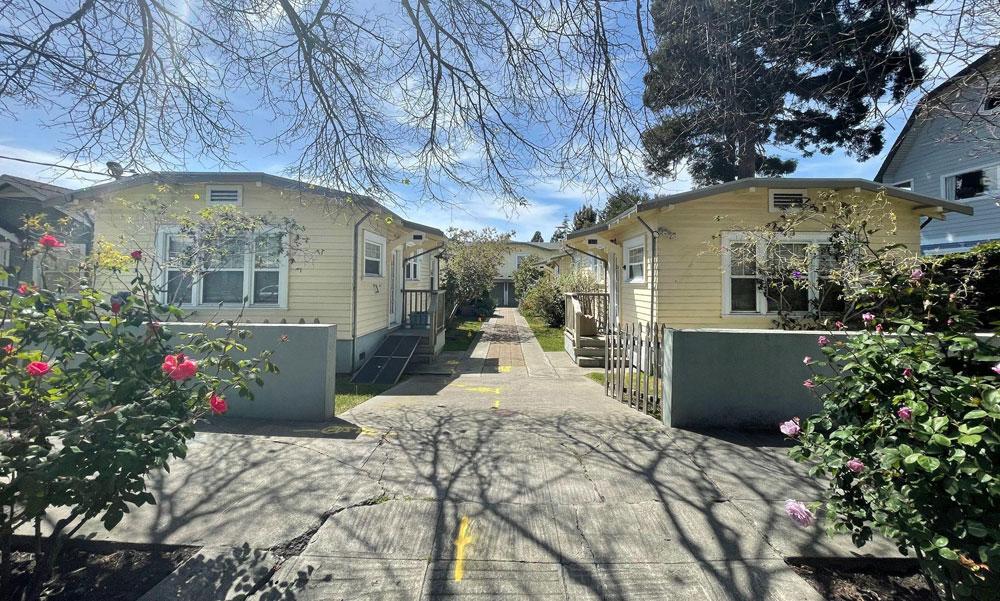
- Innovative Solution: The proposed solution involves leveraging faith-owned land, often located in areas with access to essential services, to develop affordable housing communities. Factory-built cottages offer a cost-effective and time-efficient construction method. Additionally, the model incorporates professional, supportive services to address the underlying causes of homelessness and empower residents toward self-sufficiency.
- Role of Faith Institutions: Faith-based organizations (FBOs) play a central role by providing land for development. The paper acknowledges FBOs’ challenges, such as declining membership and increasing capital budgets. It proposes that this model can offer new mission-aligned engagement opportunities and potential revenue streams through land leases or sales.
- Community Engagement: The paper stresses the importance of community buy-in and collaboration. Engaging community-based organizations (CBOs) and individuals with lived experiences of homelessness ensures that the solutions are responsive to community needs and concerns.
- Regulatory Considerations: The paper discusses regulatory challenges and proposes solutions, such as creating zoning overlays and utilizing state laws like SB 4 to streamline the development process on faith-owned land. It also emphasizes the need for clear definitions and objective development standards for cottage communities.
- Financial Resources: Securing funding for affordable housing projects remains a significant challenge. The paper explores various funding sources, including public funding programs, private philanthropy, and potential revenue streams from land leases. It also highlights the importance of sustainable funding for construction and ongoing supportive services.
- Why This Will Work: The paper concludes by emphasizing the potential impact of this model. It cites evidence of interest from faith institutions and the success of “housing first” strategies combined with supportive services. It also calls for collective action from jurisdictions, nonprofits, FBOs, and communities to implement this innovative approach. It successfully addresses the urgent need for affordable housing and support services for those experiencing homelessness.
Involvement of the Multi-Faith ACTION Coalition
MFAC, a coalition of Contra Costa faith communities, is actively participating in developing and advocating for this model. We collaborated with the City of Antioch and Hope Solutions to address barriers to affordable housing production and create a policy framework for developing cottage communities on faith-owned land. Jasmine Tarkoff, a prior co-convener of MFAC, played a crucial role in securing funding and driving community organizing and policy work.
MFAC’s active involvement in this initiative underscores faith communities’ commitment to addressing the housing crisis. Our collaboration with local government and community organizations demonstrates the power of interfaith cooperation in creating impactful solutions. We have played a crucial role in advocating for policy changes, securing funding, and fostering community engagement to support affordable housing on faith-owned land. We do so by leveraging our resources, expertise, and community connections.