AFFH: Poverty Reduction Work
Affirmatively Furthering Fair Housing (AFFH) is a state-mandated program in California that requires taking proactive steps to undo past patterns of segregation and discrimination in housing. AFFH programs must be included in the current city and county Housing Element update process.
Thus, work is taking place at all levels to implement programs included in those updates. It’s about making sure everyone, regardless of race, religion, disability, or other protected characteristics, has equal access to housing opportunities. It is poverty reduction work.
At the Multi-Faith ACTION Coalition, we support the work in Contra Costa at both city and county levels under this mandate because it goes beyond just preventing discrimination; it means actively working to create inclusive communities where everyone has a fair chance to thrive.
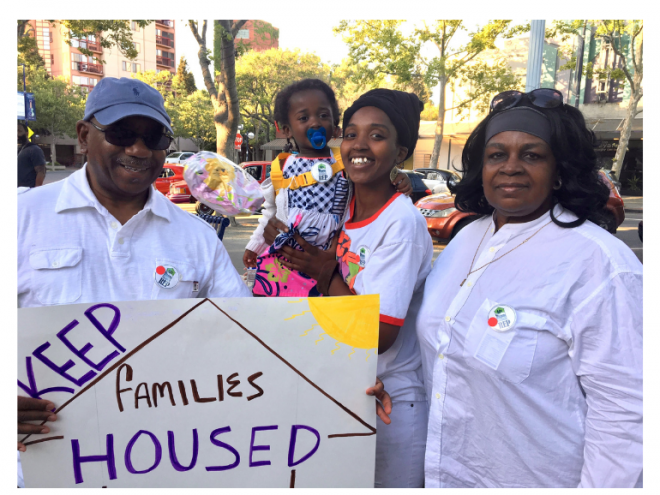
Public discussions will occur at all levels as specific AFFH program decisions are made; these will all be opportunities to advocate for decisions prioritizing the needs of those struggling the most in our current housing crisis. Some people oppose building affordable housing, for example, even though we’re in a housing crisis. And so we’re providing this background information to help with advocacy efforts.
Affirmatively Furthering Fair Housing (AFFH) Explained
Affirmatively Furthering Fair Housing (AFFH) originates from the Fair Housing Act, Title VIII of the Civil Rights Act of 1968. That Act prohibits housing discrimination and ensures equal housing opportunities for all. While the Fair Housing Act prohibited overt discrimination, residential segregation continues to exist. This prompted the need for more proactive measures to address it.
AFFH goes beyond simply prohibiting discrimination. It mandates that cities take meaningful actions to overcome segregation patterns and foster inclusive communities free from barriers restricting access to opportunity.
Key aspects of AFFH:
- Addressing historical and systemic inequities: AFFH acknowledges that discriminatory government policies, such as redlining and exclusionary tactics, have contributed to spatial inequality based on race.
- Creating real housing choice: AFFH aims to create opportunities for people to live where they choose, regardless of their race, sexual orientation, disability status, or other protected characteristics.
- Fostering inclusive communities: The goal is to build communities where everyone can access quality education, job opportunities, healthy food, green spaces, and other essential resources.
- Taking proactive steps: Cities must examine their policies, plans, and programs to identify and remove barriers to fair housing choice and actively promote integration.
Implementation in California
California reinforced its commitment to AFFH through Assembly Bill 686 (AB 686), which was passed in 2018. This law expanded on the Fair Employment and Housing Act (FEHA) and made several significant changes, including:
- Mandating proactive action: It requires all state and local public agencies in California to take deliberate actions to address and combat disparities resulting from past and present segregation patterns.
- Integrating AFFH into housing plans: It established new requirements for the parts of a city’s general plan that address housing needs. AFFH mandates an assessment of fair housing practices and concrete programs to affirmatively further fair housing. These requirements apply to all housing elements revised on or after January 1, 2021.
- Preserving the 2015 HUD AFFH Rule: AB 686 ensures that the policy outlined in the U.S. Department of Housing and Urban Development’s (HUD) 2015 Affirmatively Furthering Fair Housing Rule remains in effect in California, regardless of any federal changes.
Rezoning Projects
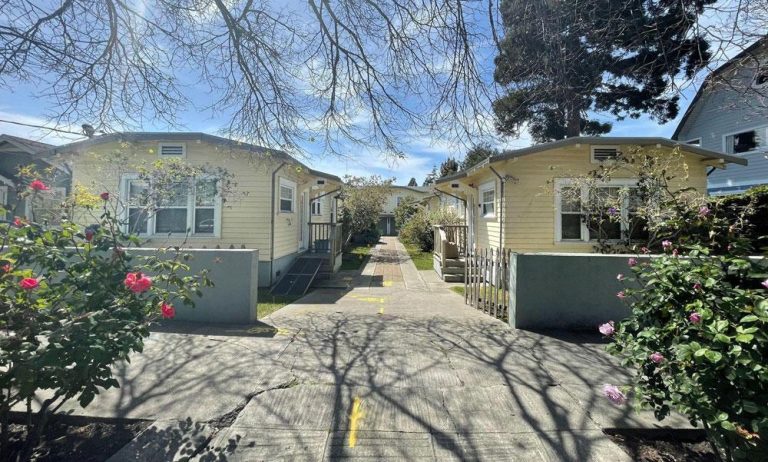
One way cities implement AFFH is through rezoning projects. These projects typically involve rezoning select properties in higher-resource neighborhoods to allow for multi-family development.
Higher-resource neighborhoods are characterized by:
- Quality schools
- Safety
- Plentiful community amenities
- Economic opportunity
By increasing the availability of multi-family housing in these neighborhoods, cities aim to:
- Address housing inequities
- Improve the quality of life
- Create more diverse and inclusive communities
- Provide access to better life outcomes to more people
Example: Concord, California
The City of Concord is undertaking an AFFH rezoning project as part of its 2023-2031 Housing Element. Program 8.6 of the Housing Element focuses on increasing housing supply, choices, and affordability in higher-resource neighborhoods by rezoning sites to allow for a broader range of housing types, such as apartments and condominiums. The project aims to:
- Partner with the community
- Address housing inequities
- Improve the quality of life in Concord
The project also involves assessing the need for new infrastructure and ensuring that developers cover the costs of any necessary improvements.
Challenges and Considerations
While AFFH aims to create more equitable housing opportunities, it faces various challenges:
- Community opposition (NIMBYism): Residents of higher-resource neighborhoods often resist efforts to increase housing density. Some fear changes to their neighborhood’s character or property values. This opposition can make it difficult for cities to implement AFFH policies.
- Ensuring affordability: Rezoning alone does not guarantee that the new housing units will be affordable. Cities need to employ strategies like inclusionary housing ordinances to ensure that a portion of new development is affordable to lower-income households.
- Balancing competing priorities: Cities must balance the need to increase housing density in higher-resource neighborhoods with other planning objectives. These include preserving neighborhood character, protecting existing residents from displacement, and promoting sustainable development.
- Funding: Implementing AFFH initiatives often requires significant financial investments, which can be challenging for cities facing budget constraints.
AFFH is a crucial step towards creating more just and equitable housing systems despite these challenges. By taking meaningful actions to address historical and systemic inequities, cities can foster inclusive communities where everyone has the opportunity to thrive.
Challenges notwithstanding, from a faith perspective, housing is a human right. And opening parts of our communities to our neighbors who otherwise couldn’t afford to live where we do is an act of justice rooted in our various faith traditions.