The passage of H.R. 1 in July 2025 has created a seismic shift in the safety net landscape for Contra Costa County. By slashing federal funding for Medicaid (Medi-Cal) and SNAP (CalFresh), the bill has forced the state and county to navigate massive budget shortfalls while local service providers face an influx of uninsured and food-insecure residents.
In 2026, healthcare access for immigrants in California—and specifically within Contra Costa County—faces a “perfect storm” of legislative rollbacks and funding cuts. While California previously led the nation in expanding Medi-Cal to all residents regardless of status, new federal and state policies are actively reversing these gains.
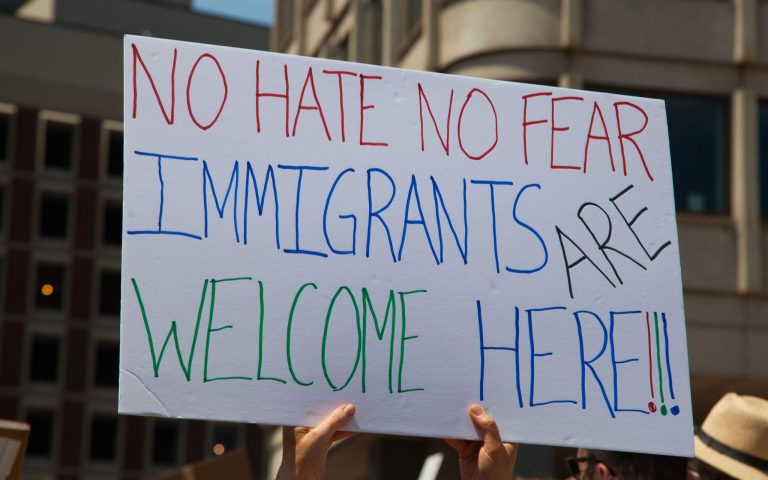
The costs of uninsured healthcare are among the most significant drivers of poverty, and removing healthcare support for immigrants is a direct assault on human dignity. The same is true with budget cuts that impact the food security of Contra Costa residents. This is the first in a series of posts identifying the problems and possible courses of faith-rooted action.
1. Healthcare Services Under Threat
The primary target of H.R. 1 was the Medicaid program. In California, these federal cuts have triggered a reversal of years of coverage expansion.
- Barring Undocumented Immigrants: A cornerstone of H.R. 1 and the accompanying 2025–26 state budget is the restriction on Medi-Cal for undocumented residents. Effective January 1, 2026, enrollment for undocumented adults (ages 19+) in full-scope Medi-Cal was frozen. By July 2026, many will lose access to critical state-funded benefits like dental care.
- Medi-Cal Disenrollment: New federal rules, including the reinstatement of asset limits and burdensome work reporting requirements, are expected to push up to 3.4 million Californians off Medi-Cal. In Contra Costa County alone, officials estimate that 93,000 residents could lose coverage by 2029.
- Provider Strain: With fewer people insured, Contra Costa Regional Medical Center and its nine community clinics are seeing a rise in “uncompensated care.” This leads to longer wait times, crowded emergency rooms, and potential staffing reductions as the system absorbs the cost of treating patients who can no longer pay.
2. Food Support and SNAP (CalFresh)
The safety net for nutrition is also being dismantled through changes to the Thrifty Food Plan and new eligibility barriers.
- Benefit Reductions: Effective late 2025, adjustments to the Standard Utility Allowance and the Thrifty Food Plan have reduced monthly CalFresh benefits for thousands of households.
- Unfunded Mandates: The county’s Employment & Human Services Department (EHSD) must now implement more frequent eligibility redeterminations (twice a year) and monitor strict work requirements without additional federal funding to cover the administrative overhead.
3. Fiscal Impact: Federal to State to County
The “cascading” nature of these cuts means that as the federal government pulls back, the financial burden is pushed onto smaller jurisdictions.
- State Budget Impact: H.R. 1 is projected to cost California tens of billions of dollars annually in lost federal matching funds. To close its own budget deficits, the state has had to freeze programs it previously funded entirely with state dollars, such as the expansion of Medi-Cal to all residents regardless of status.
- County Budget Crisis: Contra Costa County has already reported losses of roughly $24 million for the current fiscal year. Projections for the health system are even more dire:
- $307 million in annual losses by FY 2028–29 due to Medi-Cal disenrollment and the loss of supplemental funding.
- A cumulative operating deficit for the county hospital and clinics of over $1 billion through 2031.
Summary of Key Dates for Contra Costa Residents:
- Jan 1, 2026: Enrollment freeze for undocumented adults in full-scope Medi-Cal.
- Feb 1, 2026: Further reductions in CalFresh benefits due to utility allowance changes.
- July 1, 2026: Elimination of dental benefits for certain immigrant populations.
- Oct 1, 2026: Re-definition of “eligible aliens” takes effect, further restricting healthcare access.
The basis of the faith rooted response to these challenges.
Measure B, June 2026 ballot: supporting the county safety net
Measure G, June 2026 ballot: supporting Contra Costa community colleges
At the Multi-Faith ACTION Coalition, we advocate for policy and systemic changes that reduce poverty. When federal policy changes increase poverty rather than decrease it, we find state and local actions to support that can mitigate the worst of the impacts.