Partnership for the Bay’s Future releases a report which explains why
The Partnership for the Bay’s Future (PBF) has released a report entitled “Community-Driven Housing Solutions in Antioch: A Roadmap for Collaboration and Policy Innovation.” A PBF Breakthrough Grant funded a joint housing project in 2023. You can download the full report here.
The report details the collaborative effort by Hope Solutions, the Multi-Faith ACTION Coalition, and the City of Antioch to address the affordable housing crisis in Antioch, California. The report emphasizes the importance of community-driven solutions and their potential impact on poverty reduction and resident empowerment.
Here’s a Summary of the Report’s Key Points:
- Affordable Housing Crisis: The report highlights the severe housing affordability crisis in Antioch, where a significant portion of the population, particularly renters, low-income families of color, and households with young children, are severely cost-burdened. This crisis is pushing people into homelessness, overcrowded housing, and financial instability, perpetuating the cycle of poverty.
- Innovative Solutions: The report focuses on two innovative, community-driven solutions to address the housing crisis:
- Cottage Communities on Faith-Owned Land: This involves building small, affordable homes on underutilized land owned by faith-based organizations. These communities would increase the housing stock and provide supportive services to residents, fostering stability and self-sufficiency, which are crucial for breaking the cycle of poverty.
- Accessory Dwelling Units (ADUs): The report explores the potential of ADUs (backyard cottages) to increase affordable housing options and provide homeowners with additional income. Such housing innovations can benefit low-income homeowners, helping them build financial stability and avoid displacement.
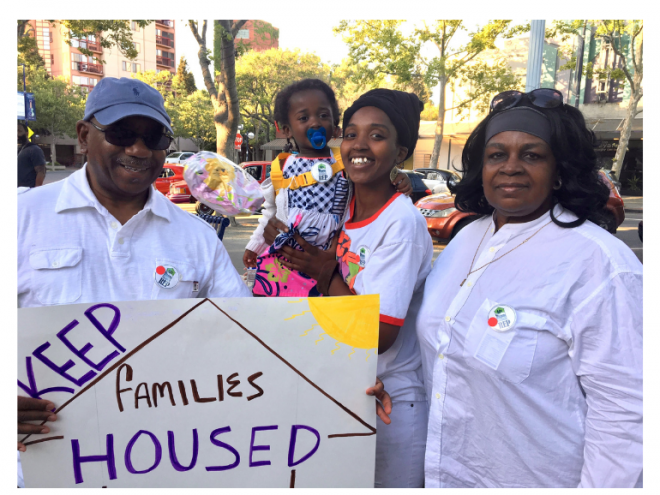
- Community Engagement: The report underscores the importance of community engagement in shaping effective housing policies. The Hope Solutions Resident Empowerment Program (REP) was crucial. REP members, many with lived experiences of homelessness, actively participated in designing and facilitating community listening sessions, ensuring that the voices of those most affected by the housing crisis were heard. This inclusive approach helps ensure that solutions are tailored to the community’s needs and promotes a sense of ownership and empowerment, which is essential for sustainable poverty reduction.
- Policy Outcomes: The community engagement process led to the adoption of new zoning regulations that facilitate the development of cottage communities on faith-owned land. Additionally, initiatives were launched to streamline the ADU permitting process and provide financial assistance to low-income homeowners, further expanding affordable housing opportunities and promoting economic stability.
Overall, the report demonstrates the transformative power of community-driven solutions in addressing the affordable housing crisis and its associated impact on poverty. By centering the voices of those most affected and fostering collaboration between community organizations, faith-based institutions, and local government, Antioch is taking significant steps toward creating a more equitable and inclusive community where everyone has a safe and affordable place to call home.